From preventing to reversing: Curcumin’s unexpected journey in diabetes research
01/30/2026 / By News Editors
Could a common spice hold the key to preventing and reversing diabetes?
(Article republished from GreenMedInfo.com)
Quick Summary:
Recent research reveals curcumin, the active compound in turmeric, protects and regenerates insulin-producing beta cells in diabetics. This breakthrough finding builds on previous studies showing curcumin’s remarkable ability to prevent type 2 diabetes progression. With over 3,000 studies supporting its benefits, curcumin emerges as a powerful natural ally in the fight against diabetes.
Groundbreaking Study Shows Curcumin Protects Vital Beta Cells
A new study published in the journal Nutrition has diabetes researchers and patients alike buzzing with excitement. The randomized controlled trial, conducted by Yaikwawong et al., found that curcumin extract significantly improved beta cell function in obese patients with type 2 diabetes.1
Beta cells, located in the pancreas, are responsible for producing insulin – the hormone that regulates blood sugar levels. In type 2 diabetes, these cells gradually lose function over time, leading to insulin deficiency and worsening blood glucose control. This deterioration can eventually result in what’s known as “double diabetes,” where patients require insulin injections on top of other diabetes medications.2
The study involved 272 participants with type 2 diabetes who were randomly assigned to receive either 1500 mg of curcumin extract or a placebo daily for 12 months. The results were striking:
- The curcumin group showed significantly better overall beta cell function, with higher HOMA-? scores (136.20 vs. 105.19, P < 0.01).
- Fasting blood glucose and HbA1c levels were notably lower in the curcumin group.
- Insulin resistance (HOMA-IR) was reduced in those taking curcumin (4.86 vs. 6.04, P < 0.001).
- Curcumin treatment also led to increased adiponectin levels and decreased leptin levels, indicating improved metabolic health.
These findings suggest that curcumin not only protects existing beta cells but may also help regenerate damaged ones – a holy grail in diabetes treatment. By preserving and potentially restoring beta cell function, curcumin could play a crucial role in preventing the progression of type 2 diabetes and reducing the risk of complications.
The Beta Cell Connection: Why It Matters
To understand the significance of these findings, it’s important to grasp the central role beta cells play in diabetes. In healthy individuals, beta cells release insulin in response to rising blood glucose levels. This insulin then signals cells throughout the body to absorb glucose from the bloodstream, maintaining stable blood sugar levels.
In type 2 diabetes, two main problems occur:
- Insulin resistance: Cells become less responsive to insulin’s signals.
- Beta cell dysfunction: The pancreas struggles to produce enough insulin to overcome this resistance.
Over time, the constant demand for more insulin can lead to beta cell burnout. As these cells fail, blood sugar control worsens, and patients may eventually need insulin injections – a hallmark of type 1 diabetes. This combination of type 2 and type 1 diabetes features is often referred to as “double diabetes”.3
By protecting and potentially regenerating beta cells, curcumin addresses a root cause of diabetes progression. This approach could help patients maintain better long-term blood sugar control and reduce their reliance on medications. To learn more about other beta cell regenerating interventions, visit our database on the subject here.
A History of Promise: Previous Research on Curcumin and Diabetes
The recent study by Yaikwawong et al. builds on a growing body of evidence supporting curcumin’s anti-diabetic properties. Perhaps the most striking of these earlier findings came from a 2012 study published in Diabetes Care, the journal of the American Diabetes Association.4
In this randomized, double-blind, placebo-controlled trial, researchers worked with 240 pre-diabetic individuals. Half received curcumin capsules, while the other half received a placebo. The results were nothing short of remarkable:
- After 9 months, 16.4% of the placebo group had developed type 2 diabetes.
- In contrast, none of the participants taking curcumin progressed to diabetes.
That’s right – curcumin was 100% effective in preventing the development of type 2 diabetes in this high-risk population. These results are particularly impressive given that standard lifestyle interventions and medications typically reduce diabetes risk by 30-60%.5
Beyond prevention, other studies have highlighted curcumin’s potential to improve various aspects of diabetes:
- Improved insulin sensitivity: A 2009 study found that curcumin increased glucose uptake in muscle cells, mimicking insulin’s effects.6
- Reduced inflammation: Chronic inflammation plays a key role in insulin resistance. Multiple studies have shown curcumin’s potent anti-inflammatory properties.7
- Antioxidant effects: Oxidative stress contributes to diabetes complications. Curcumin is a powerful antioxidant that may help mitigate this damage.8
- Lipid-lowering: Curcumin has been shown to improve cholesterol and triglyceride levels, addressing the cardiovascular risks associated with diabetes.9
The World’s Largest Curcumin-Diabetes Research Database
While the studies mentioned above are impressive, they represent just the tip of the iceberg. GreenMedInfo.com, the world’s largest open-access natural health database, has compiled over 3,000 studies on curcumin and turmeric, with dozens specifically related to diabetes.10
This vast collection of research paints a comprehensive picture of curcumin’s multi-faceted benefits for diabetics:
- Glycemic Control: Numerous studies demonstrate curcumin’s ability to lower blood glucose levels and improve insulin sensitivity. For example, a 2014 review in the International Journal of Endocrinology and Metabolism concluded that curcumin could significantly improve blood sugar control in people with type 2 diabetes.11
- Diabetes Complications: Curcumin shows promise in addressing various diabetes-related complications:
– Neuropathy: Animal studies suggest curcumin may help alleviate diabetic nerve pain and protect against nerve damage.12
– Nephropathy: Research indicates curcumin could help protect the kidneys from diabetes-induced damage.13
– Retinopathy: Preliminary studies show curcumin may have protective effects on the eyes, potentially reducing the risk of diabetes-related vision problems.14 - Cardiovascular Health: People with diabetes are at increased risk for heart disease. Several studies in the GreenMedInfo database highlight curcumin’s potential cardiovascular benefits, including improved endothelial function and reduced arterial stiffness.15
- Weight Management: Obesity is a major risk factor for type 2 diabetes. Multiple studies suggest curcumin may aid in weight loss and fat reduction, potentially through its effects on metabolism and inflammation.16
- Liver Health: Non-alcoholic fatty liver disease is common in people with type 2 diabetes. Research indicates curcumin may help protect the liver and improve liver function in diabetic patients.17
The Mechanism Behind the Magic
How does curcumin exert such wide-ranging benefits? Researchers have identified several key mechanisms:
- NF-?B Inhibition: Curcumin suppresses the activation of NF-?B, a protein complex involved in inflammation and insulin resistance.18
- AMPK Activation: Curcumin activates AMPK, an enzyme that plays a crucial role in cellular energy balance and metabolism.19
- Antioxidant Effects: As a potent antioxidant, curcumin neutralizes harmful free radicals and boosts the body’s own antioxidant defenses.20
- Epigenetic Modulation: Emerging research suggests curcumin may influence gene expression related to metabolism and inflammation.21
- Gut Microbiome Effects: Curcumin may positively alter the gut microbiome, which is increasingly recognized as a factor in metabolic health.22
From Spice Rack to Medicine Cabinet: Practical Considerations
With such compelling evidence, many people with diabetes or pre-diabetes may be eager to add curcumin to their health regimen. However, it’s important to consider a few practical points:
- Bioavailability: Curcumin is poorly absorbed on its own. Look for supplements that include piperine (from black pepper) or use liposomal formulations to enhance absorption.23
- Dosage: Most studies have used doses ranging from 500mg to 2,000mg of curcumin per day. Consult with a healthcare provider to determine an appropriate dose for your needs.
- Quality: Choose high-quality supplements from reputable manufacturers. Look for products standardized to contain a specific percentage of curcuminoids.
- Interactions: While generally safe, curcumin can interact with certain medications, including blood thinners. Always inform your healthcare provider about any supplements you’re taking.
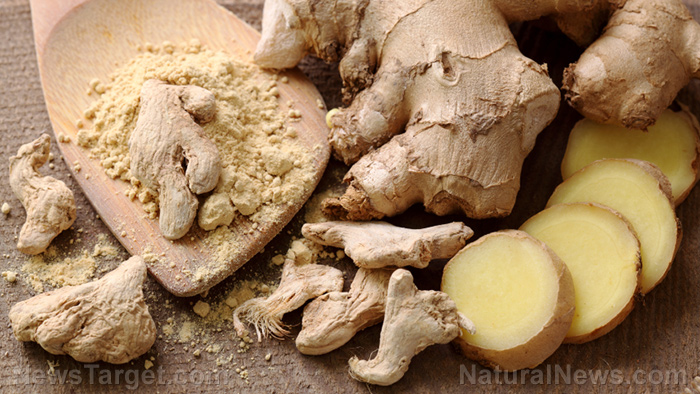
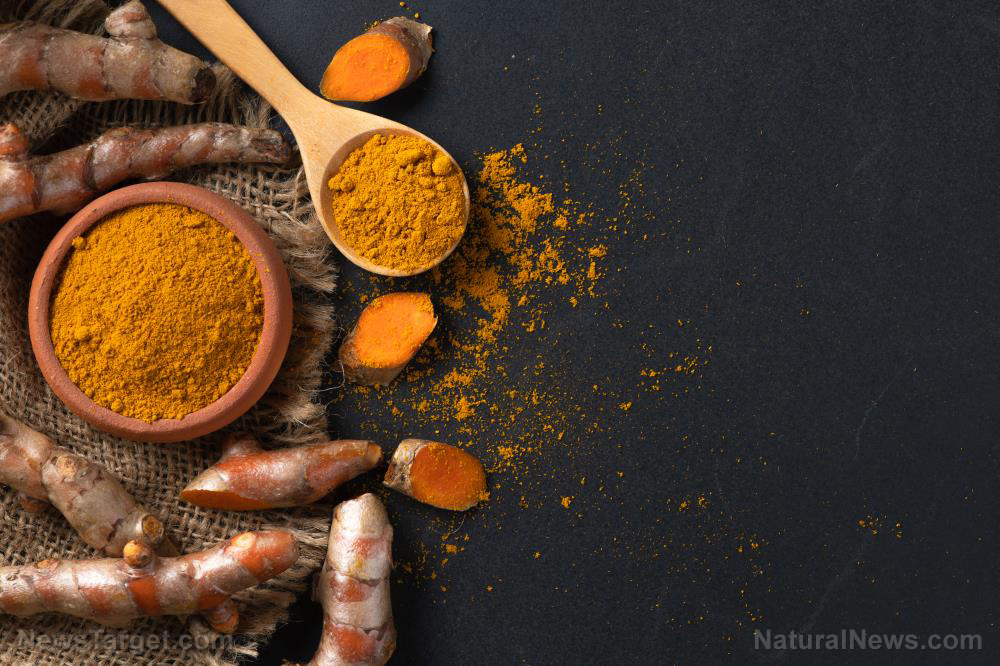
- Whole Food Approach: While supplements can be beneficial, don’t overlook the power of incorporating turmeric into your diet. Try adding it to curries, smoothies, or golden milk lattes.
Conclusion: A Golden Opportunity for Diabetes Management
The latest research on curcumin’s ability to protect and potentially regenerate beta cells adds another layer to its already impressive resume as a natural diabetes remedy. From preventing the onset of type 2 diabetes to addressing its various complications, curcumin offers a multi-pronged approach to metabolic health.
As we face a global diabetes epidemic, with over 460 million adults affected worldwide,24 the need for safe, effective, and accessible interventions has never been greater. Curcumin, derived from the humble turmeric root, may just be the golden ticket we’ve been searching for.
While more research is always needed, particularly large-scale human trials, the existing evidence suggests that curcumin could play a valuable role in comprehensive diabetes care. As always, individuals should work with their healthcare providers to determine the best approach for their unique situation.
In a world where pharmaceutical solutions often come with significant side effects and costs, nature’s pharmacy continues to surprise us with its potency and versatility. Curcumin’s potential in diabetes management serves as a powerful reminder of the healing wisdom contained in traditional remedies and the importance of continuing to explore the intersection of natural compounds and modern medicine.
Read more at: GreenMedInfo.com
Submit a correction >>
Tagged Under:
alternative medicine, curcumin, diabetes cure, disease treatments, food cures, food is medicine, food science, health science, herbal medicine, herbs, natural cures, natural health, natural medicine, naturopathy, phytonutrients, research, turmeric, Xpost
This article may contain statements that reflect the opinion of the author
RECENT NEWS & ARTICLES