Green tea compound reduces pancreatic cancer risk
01/22/2026 / By News Editors
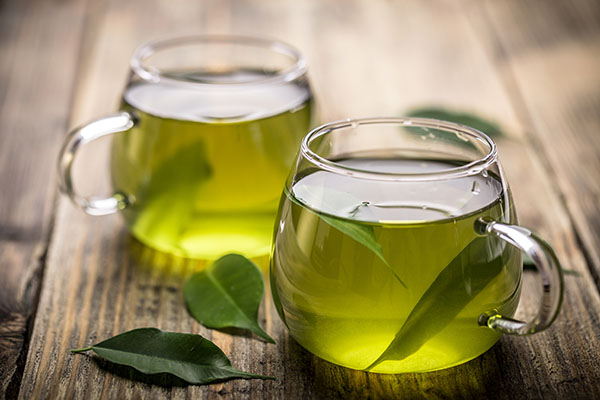
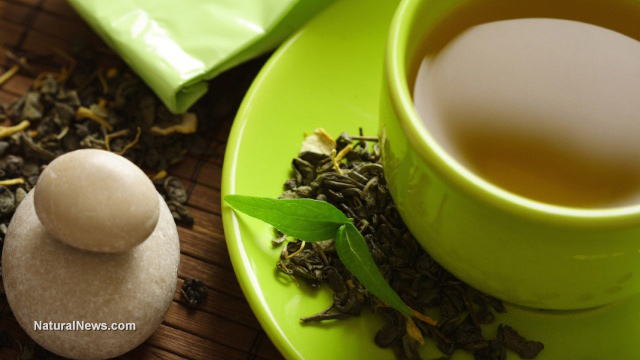
Green tea may well be the healthiest drink on the planet. For many, the tea and its extracts hold great promise as potential treatments for cancer. But scientists had never identified how green tea helps reduce the risk of cancer.
(Article republished from GreenMedInfo.com)
Now researchers from Los Angeles Biomedical Research Institute at Harbor-UCLA Medical Center have figured out how green tea works.
In a study published online by the journal Metabolomics[i] they explain how an active constituent in green tea changes the metabolism of cancer cells.
The researchers found that epigallocatechin gallate (EGCG), a powerful antioxidant found in green tea, affects enzymes critical to the metabolism of pancreatic cancer cells.
Pancreatic cancer displays an elevated expression of the critical enzyme lactate dehydrogenase A (LDHA). Other human cancers also show elevated LDHA activity.
The researchers found EGCG inhibited LDHA and disrupted the cellular metabolic network of the cancer.
They concluded that EGCG reduced the risk of cancer by suppressing the activity of LDHA and disrupting the metabolic functions in the cancer cells.
The researchers believe using foods to alter cellular metabolism can have an impact on cancer. One of the authors, Wai-Nang Lee, MD, said:
“By explaining how green tea’s active component could prevent cancer, this study will open the door to a whole new area of cancer research and help us understand how other foods can prevent cancer or slow the growth of cancerous cells.”
Earlier studies had shown that EGCG can induce programmed cell death in pancreatic cancer.
Other studies show EGCG:
- inhibits proliferation of triple negative breast cancer cells
- inhibits the growth of human cervical cancer cell lines
- interferes with androgen-independent prostate cancer
- exhibits inhibitory activity against colorectal cancer cells.
By far the richest food source of EGCG is green tea. But make sure your drink the real stuff. The decaffeinated version contains much less EGCG. But the caffeine in green tea is fairly mild. One cup contains only about 20 milligrams of caffeine, compared to about 80 milligrams in a cup of coffee.
Other foods also contain lesser amounts of EGCG. In 2007 the USDA issued a report on the flavonoid content of certain foods. It found that apples are also rich in EGCG. Fuji apples were the best of the apple varieties tested. They contain up to 6.26 mg of EGCG per 100 g of apple.
Raw blackberries are another good source offering over 7 mg of EGCG per 100 grams. Red wine and chocolate also contain good amounts. Other foods containing trace amounts of EGCG include strawberries, peanuts, peaches, avocados, plums, onions and raspberries.
Read more at: GreenMedInfo.com
Submit a correction >>
Tagged Under:
alternative medicine, anticancer, antioxidants, EGCG, food cures, food is medicine, food science, green tea, health science, herbal medicine, herbs, natural cures, natural health, natural medicine, naturopathy, organics, pancreatic cancer, phytonutrients, research, Xpost
This article may contain statements that reflect the opinion of the author
RECENT NEWS & ARTICLES