This Japanese condiment clinically improves memory: How wasabi protects against cognitive decline
01/06/2026 / By News Editors

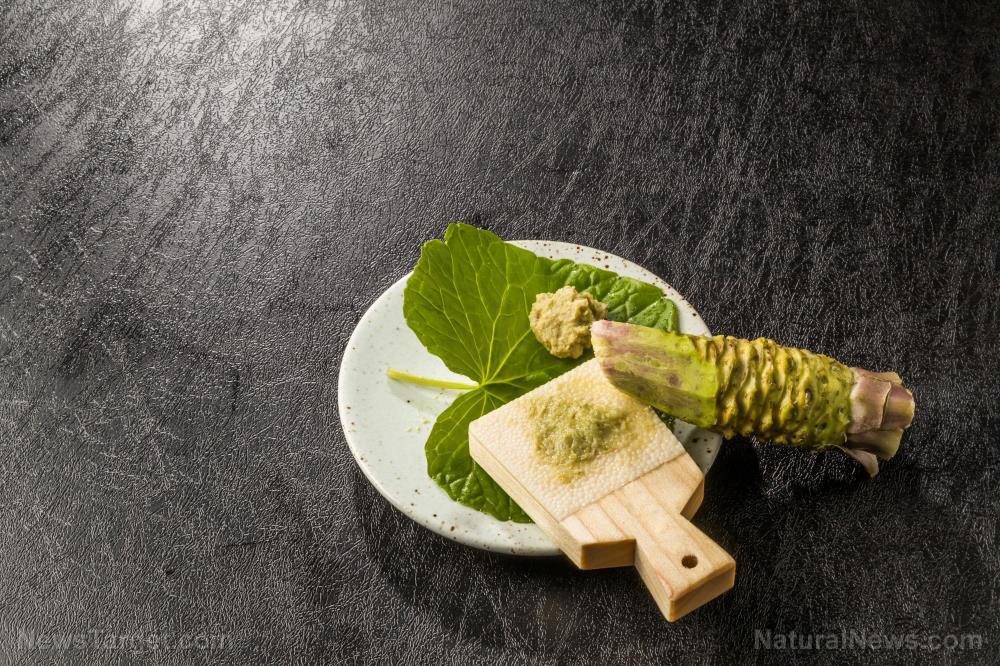
A spicy, bright green horseradish paste served alongside sushi, wasabi has gained immense popularity at Japanese restaurants worldwide. But emerging research suggests that beyond livening up your meal, wasabi contains powerful compounds that may bolster declining brains.
(Article republished from GreenMedInfo.com)
A recent double-blinded trial published in Nutrients demonstrated clinically that supplements containing wasabi’s key bioactive component, 6-MSITC (6-Methylsulfinylhexly isothiocyanate), improved memory and recall ability in adults aged 60 and over.1
While the 75 older participants took either a 100mg 6-MSITC extract powder or a placebo pill for 12 weeks, those assigned the wasabi derivative experienced enhanced episodic and working memory. Specific neurological testing showed significant benefits on the logical memory and digit span tests that involve memorizing stories and number sequences.
The researchers believe decreasing inflammation and oxidative damage in brain regions like the hippocampus enabled these memory upgrades by protecting neural health. However, previous studies also reveal wasabi wields another brain-boosting weapon – the ability to stimulate neural connectivity through a process called neuritogenesis.2
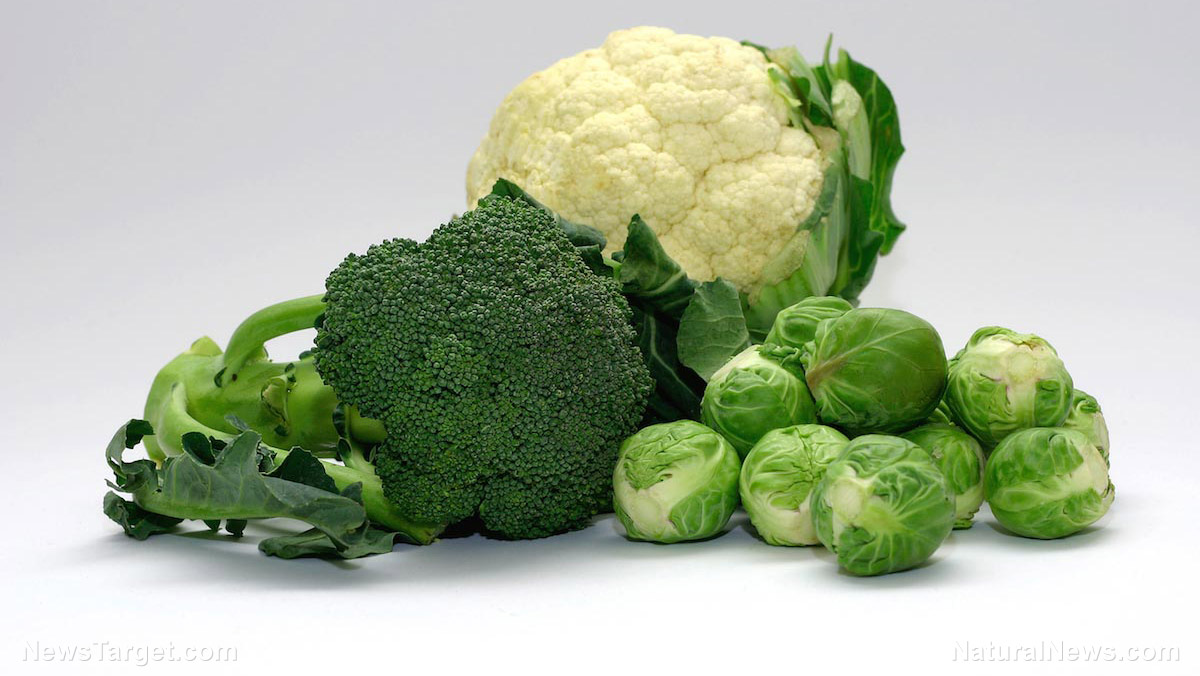
Wasabi plants contain glucosinolates that break down into isothiocyanates like 6-MSITC upon damage or chewing. Along with other close chemical cousins in Brassica family vegetables like broccoli and cabbage, these sulfur-containing compounds promote nerve cell communication critical for optimal cognition.3
Neuritogenesis refers to sprouting dendrites and axons that link neurons. The formation of new neurites plays essential roles in establishment of memories as well as neuroprotection against diseases like Alzheimer’s that lead to nerve cell death. We have an entire database on the subject covering 60+ natural substances on Greenmedinfo.com here.
Using rat adrenal gland PC12 neuronal cells, researchers identified the isothiocynate 6-HITC as the key ingredient in wasabi root extracts driving prolific neurite outgrowths.4 It powerfully turned on NGF (nerve growth factor) receptors known to facilitate neuroplasticity, but often dysfunctional in neurodegenerative conditions.
Since reduced NGF sensitivity contributes greatly to nerve cell dysfunction and die off in dementia, wasabi’s multifaceted effects have profound implications for preventing or slowing cognitive decline. The fact that a popular condiment already reaching so many plates could so elegantly enhance neuronal connections shows the promise of culinary medicine – especially against the limited pharmaceutical options for dementia suffering.
Ongoing work continues exploring combinations of bioactive dietary components like those in wasabi that synergize for optimal delivery methods and dosages to protect vulnerable and deteriorating neural networks. In the meantime, bathing your sushi roll with sinus-clearing wasabi paste may nourish far more than just your tastebuds and spice tolerance!
Read more at: GreenMedInfo.com
Submit a correction >>
Tagged Under:
alternative medicine, brain, brain damaged, brain function, cognitive decline, disease trreatments, mental, mind, neuroprotection, nutrients, nutrition, Super foods, wasabi, Xpost
This article may contain statements that reflect the opinion of the author
RECENT NEWS & ARTICLES