These vegetables neutralize the carcinogenicity of grilled meat, study reveals
12/23/2025 / By News Editors
Unlock the power of your favorite grilled dishes with a revolutionary PEITC-rich vegetable sauce, transforming them into a healthier choice
(Article republished from GreenMedInfo.com)
The consumption of well-done meat has long been associated with potential health risks due to the presence of heterocyclic aromatic amines (HAAs), which are recognized as potential carcinogens. A recent study conducted by Nitipon Kaewsit, Thunnalin Winuprasith, and Dunyaporn Trachootham delves into an innovative approach to mitigate these risks. This article analyzes their groundbreaking research, published in Food Function (2021), focusing on the detoxifying effects of a PEITC-rich vegetable sauce on HAAs found in grilled meat.
Background on HAAs
Heterocyclic aromatic amines, including compounds like PhIP and MeIQx, are formed when meat is cooked at high temperatures, particularly during grilling. These substances have been linked to an increased risk of cancer, sparking significant public health concerns. The study under review investigates a potential dietary intervention to reduce this risk.
The Role of PEITC-rich Vegetables
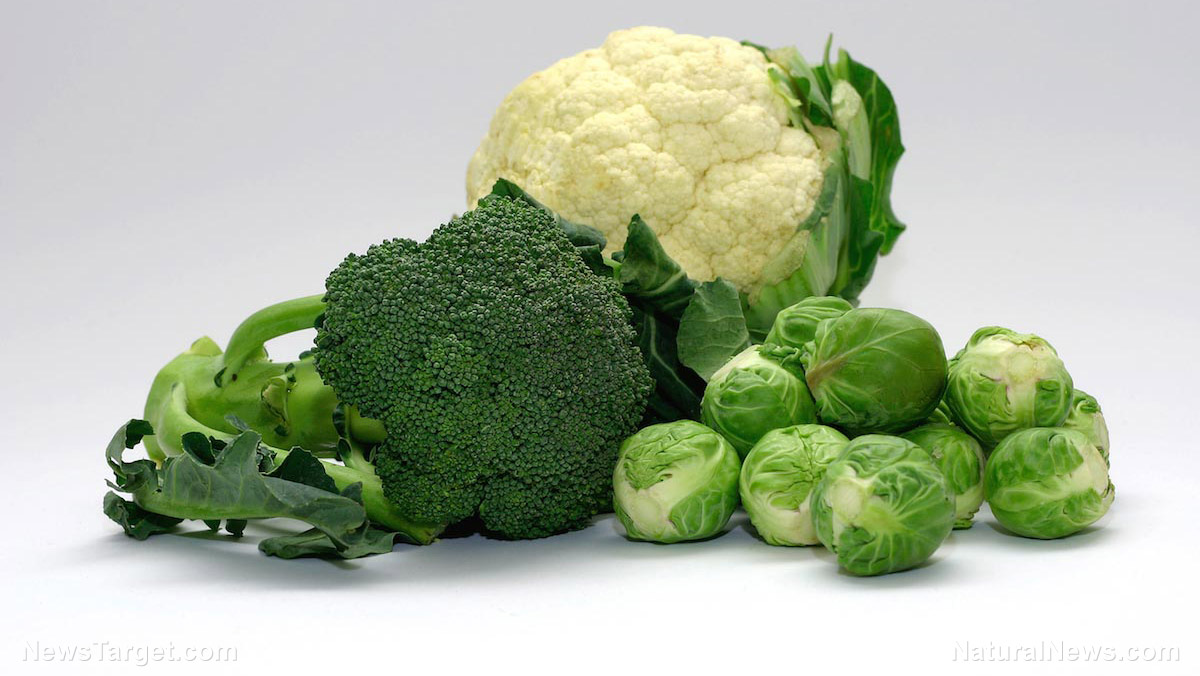
Phenethyl isothiocyanate (PEITC) is a compound found in brassica vegetables, known for stimulating phase II detoxification enzymes. These enzymes play a crucial role in metabolizing HAAs, potentially reducing their harmful effects. Brassica vegetables rich in PEITC include: broccoli, cauliflower, Brussels sprouts, mustard greens, horseradish, rocket, and wasabi. The study aimed to determine if a PEITC-rich vegetable sauce could enhance the detoxification of HAAs in humans consuming grilled meat.
Study Design and Methodology
The study was structured as a randomized crossover placebo-controlled trial involving twenty-one healthy participants. It was divided into three groups, with participants consuming grilled beef accompanied by either 100g of a placebo sauce, 100g, or 50g of the PEITC-rich vegetable sauce. The study meticulously monitored the urinary excretion of PhIP and MeIQx glucuronide metabolites, using LC/MS-MS post-de-conjugation with ?-glucuronidase, to measure the effectiveness of the sauces in detoxifying HAAs.
Key Findings
The results were significant and promising:
- Consumption of 100g of the PEITC-rich vegetable sauce with grilled beef led to a marked increase in the urinary excretion of both PhIP and MeIQx glucuronide metabolites (p-value <0.0001).
- Consuming 50g of the sauce significantly increased the excretion of only MeIQx metabolites (p-value <0.05).
These findings suggest that the PEITC-rich vegetable sauce effectively enhances the body’s ability to detoxify HAAs present in grilled meat.
Implications and Future Directions
The study’s findings offer a practical dietary intervention for meat consumers, particularly those who prefer well-done grilled meats. Considering that meat eaters often consume low amounts of vegetables, incorporating a PEITC-rich vegetable sauce could provide a convenient and effective way to access the detoxification benefits of vegetable-derived compounds.
Future research could explore the long-term effects of regular consumption of this sauce and its impact on cancer risk reduction. Moreover, investigating the potential of other vegetable-based sauces in detoxifying HAAs would provide a broader range of dietary options for consumers.
Conclusion
The study by Kaewsit, Winuprasith, and Trachootham presents a novel and practical approach to reducing the health risks associated with HAA consumption through grilled meats. The use of a PEITC-rich vegetable sauce not only aligns with dietary habits but also offers a scientifically backed method to enhance the body’s natural detoxification processes. This research paves the way for further exploration into diet-based interventions for carcinogen reduction, marking a significant step forward in public health and nutrition science.
Read more at: GreenMedInfo.com
Submit a correction >>
Tagged Under:
disease treatments, nutrients, nutrition, Super foods, Xpost
This article may contain statements that reflect the opinion of the author
RECENT NEWS & ARTICLES