5 Reasons to indulge in strawberries
11/29/2025 / By News Editors
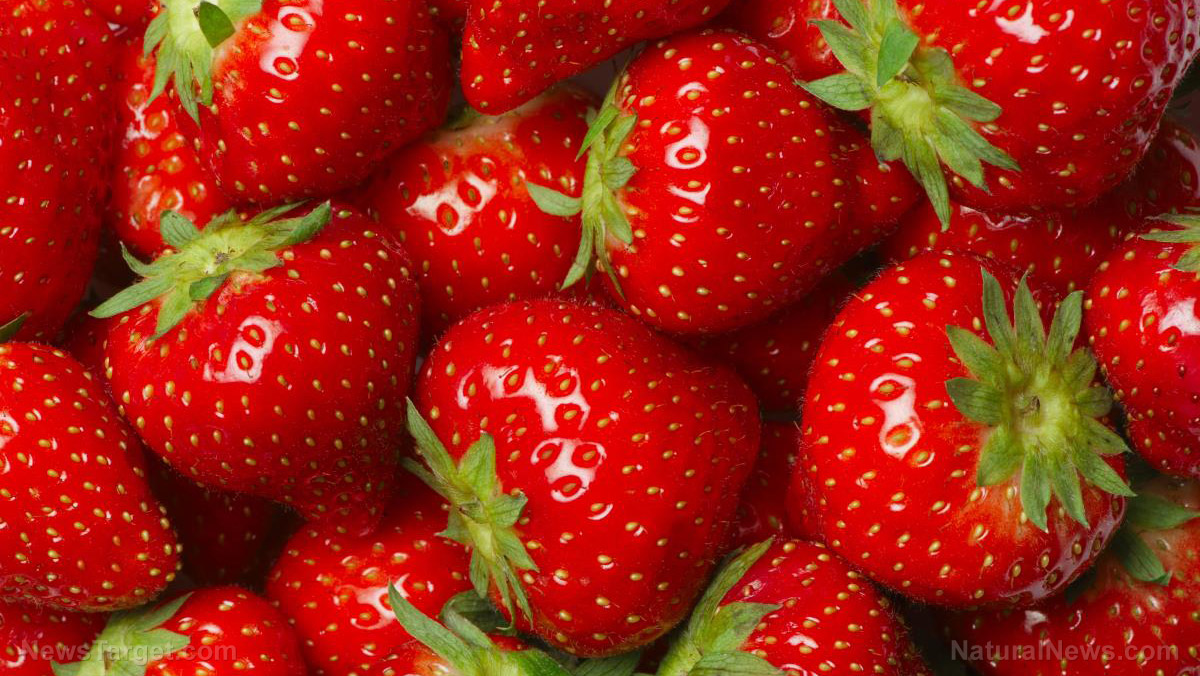
In case you’re looking for an excuse to satisfy your sweet tooth with strawberries, they’re among the healthiest fruits for your heart, brain and body
(Article republished from GreenMedInfo.com)
Strawberries are among the most popular fruits in the U.S., with the average American consuming about eight pounds per year.[i] For many, enjoying fresh ripe strawberries signals the start of summer, but there’s reason to indulge in these sweet, nutrient-rich berries year-round.
Rich in vitamins, minerals and fiber, along with a range of bioactive compounds including flavonoids, anthocyanins, lignans, tannins and phenolic acids,[ii] strawberries deserve their superstar status among fruits.
With antioxidant and anti-inflammatory properties, and a high potential to help prevent diseases related to oxidative stress, strawberries are considered protective against cardiovascular diseases, obesity, metabolic syndrome, certain cancers and neurological diseases.[iii]
Top Reasons to Eat Strawberries
When you’re craving a handful of berries, go ahead and give in — strawberries pack a powerful nutrient punch that’s supportive of good health and well-being. Why?
1. They’re Good for Your Heart
Heart disease is the leading cause of death for men and women in the U.S., with someone dying from cardiovascular disease every 36 seconds.[iv] Strawberries are beneficial here, as their antioxidant, antihypertension and anti-atherosclerotic effects may help prevent cardiovascular disease.[v]
Studies suggest strawberries help protect low density lipoprotein (LDL) from oxidation,[vi] — oxidized LDL may serve as a biomarker for cardiovascular diseases[vii] — and when adults consumed beverages containing freeze-dried strawberry powder twice a day for four weeks, improvements in vascular health were seen, such that researchers concluded “data support inclusion of strawberries in a heart-healthy diet … .”[viii]
Even among adults with cardiometabolic risk factors, consuming strawberry powder led to improvements in antioxidant status, endothelial function and inflammation,[ix] further highlighting their heart-healthy potential.
2. They Benefit People With Obesity
Nearly 42% of U.S. adults are obese,[x] putting them at risk of obesity-related diseases like Type 2 diabetes, cancer, heart disease and stroke. Strawberries have been singled out as a potential functional food to help obesity-induced inflammation. In animal studies, strawberry powder led to reduced body weight and fat mass in rats with metabolic syndrome, and also increase diversity of gut microbiota in mice with colitis.
Since it’s known that obesity is associated with altered gut microbiota in humans, researchers noted, “This study demonstrates that adding strawberries to the diet in an amount that can feasibly be consumed by humans is capable of affecting the gut microbiota and improving inflammation.”[xi]
A study of 15 healthy adults reached similar conclusions, revealing that consumption of freeze-dried strawberry powder increased the amount of gut microorganisms linked to lean body weight, health and longevity.[xii]
3. One of the Richest Sources of Folate, Vitamin C and Manganese
Among fruits, strawberries are one of the richest sources of folate, a B vitamin your body needs to make DNA and other genetic material.[xiii] Having adequate levels of folate is important not only during pregnancy to prevent neural tube defects in babies but also to help decrease the risk of cancer in adults.
Adequate folate levels also help ward off depression, heart disease, stroke and neurological disorders including Alzheimer’s disease and other forms of dementia.[xiv] Strawberries are also a notable source of manganese, a mineral used by your body to make energy and protect cells from damage.
Manganese is important for bone health, reproduction, blood clotting and immune function.[xv] Vitamin C is another important nutrient, and powerful antioxidant, in strawberries. Your body uses vitamin C to protect cells from damaging free radicals as well as to make collagen and boost immune system function.[xvi]
Consuming plentiful amounts of vitamin C from fruits and vegetables like strawberries may lead to a lower risk of lung, breast and colon cancers, along with a lower risk of cardiovascular disease.[xvii]
Vitamin C may also help slow the progression of age-related macular degeneration, a leading cause of vision loss in older people, and reduce the risk of cataracts. If you catch a cold, consuming vitamin C might also help you get better faster and experience milder symptoms.[xviii]
4. They’re Anticarcinogenic
Strawberries possess several properties that help ward off cancer, including being anticarcinogenic, antioxidative and genoprotective.[xix] They’re also a good source of fisetin, a flavonoid that acts as an anticarcinogenic agent.[xx] Fisiten inhibits cancer cell stages, prevents progression in cell cycle and growth and induces apoptosis, making it a “potent anticancer agent.”[xxi] As noted in the journal Food & Function:[xxii]
“Anticarcinogenic effects of strawberries are mediated mainly through detoxification of carcinogens, scavenging of reactive oxygen species, decrease of oxidative DNA damage, reduction of cancer cell proliferation through apoptosis and cell-cycle arrest, downregulation of activator protein and NF-?B, inhibition of Wnt signaling, TNF-? and angiogenesis.”
5. They Benefit Your Brain
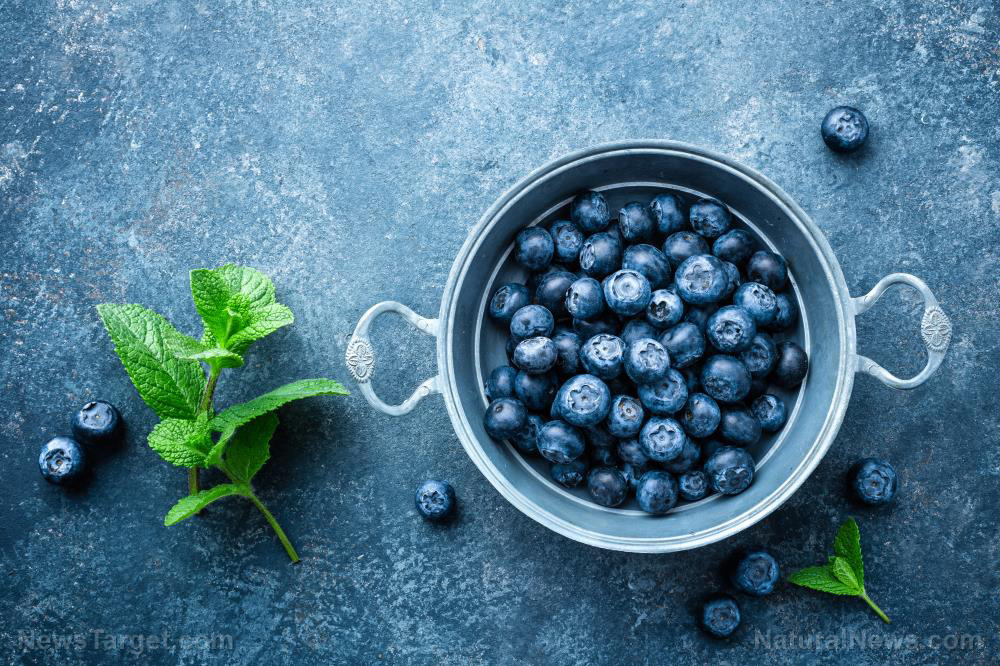
Higher intake of strawberries, as well as blueberries, is associated with slower rates of cognitive decline, according to a long-term study of older women.[xxiii] Fisetin in strawberries also has antidepressant potential and has been found to increase serotonin and noradrenaline levels, suggesting it may act as a natural antidepressant agent.[xxiv]
Consumption of strawberries and foods rich in vitamin C may also reduce the risk of Alzheimer’s disease,[xxv] while consuming a smoothie with equal parts blueberries, strawberries, raspberries and blackberries can also help young adults to maintain and improve cognitive performance over a six-hour period.[xxvi]
Choose Organic Strawberries, or Grow Your Own
Adding strawberries to your regular diet makes sense for your body and mind, but this is one fruit that’s important to buy organic, if possible. Strawberries are the No. 1 fruit on the Environmental Working Group’s “dirty dozen” list for pesticides in produce,[xxvii] meaning they have the highest levels of pesticide residues among the produce tested.
If you don’t have organic berries in your area, you can try growing your own. Strawberries are perennial plants, which means if you plant them once you can enjoy fresh, pesticide-free berries for years to come.
Read more at: GreenMedInfo.com
Submit a correction >>
Tagged Under:
alternative medicine, brain health, fight obesity, food cures, food is medicine, food science, fruits, health science, heart health, natural cures, natural health, natural medicine, naturopathy, nutrients, nutrition, organics, prevention, remedies, research, strawberries, Xpost
This article may contain statements that reflect the opinion of the author
RECENT NEWS & ARTICLES