Coconut oil: A tropical treasure for stroke prevention and brain health
01/21/2026 / By News Editors
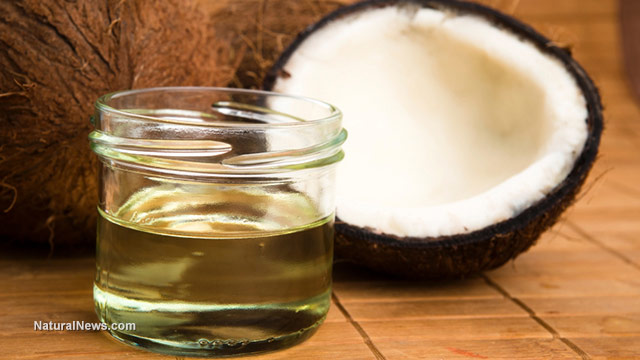
In a world where stroke strikes like lightning, affecting millions each year and leaving a trail of devastation in its wake, could the humble coconut hold the key to fortifying our brains against this debilitating condition? As scientists delve deeper into the neuroprotective properties of coconut oil, a glimmer of hope emerges from the tropical paradise, promising to revolutionize stroke prevention and treatment.
(Article republished from GreenMedInfo.com)
Coconut Oil: A Tropical Treasure for Stroke Prevention and Brain Health
Nestled beneath swaying palm fronds, the unassuming coconut has long been revered as a symbol of tropical paradise. But recent scientific discoveries suggest that this exotic fruit may be more than just a beachside beverage – it could hold the key to safeguarding our brains against the devastating effects of stroke.
The Stroke Epidemic: A Global Health Crisis
Stroke, a leading cause of disability and death worldwide, strikes with alarming frequency. Each year, a staggering 15 million people fall victim to this cerebrovascular catastrophe, with 5 million succumbing to its deadly grip and another 5 million left permanently disabled.1 As the global population ages, the incidence of stroke is expected to soar, placing an even greater burden on individuals, families, and healthcare systems alike.
Coconut Oil: A Neuroprotective Powerhouse?
Amidst this grim landscape, a glimmer of hope emerges from an unlikely source – the humble coconut. Virgin coconut oil (VCO), a staple in many tropical cuisines, has garnered attention for its potential neuroprotective properties. Rich in medium-chain fatty acids (MCFAs) and antioxidants, VCO has been the subject of intense scientific scrutiny in recent years.
A groundbreaking animal study, conducted by Vitor et al. and published in the journal Life, sheds light on the remarkable effects of VCO in a stroke-prone rat model.2 The researchers divided the rats into two groups – one receiving VCO and the other a control substance. The results were nothing short of astonishing.
Delaying Stroke Onset and Prolonging Survival
The rats treated with VCO experienced a significant delay in the onset of stroke compared to their control counterparts. Moreover, the VCO group exhibited improved survival rates, suggesting that this tropical oil may not only help prevent stroke but also mitigate its devastating consequences.
But how does VCO work its neuroprotective magic? The researchers propose several mechanisms, including the oil’s potent antioxidant and anti-inflammatory properties. By scavenging harmful free radicals and quelling inflammation in the brain, VCO may help shield delicate neural tissues from the ravages of stroke.
Beyond Stroke: VCO’s Multifaceted Brain Benefits
The neuroprotective powers of VCO extend far beyond stroke prevention. A comprehensive review of the scientific literature, compiled by the experts at GreenMedInfo.com, reveals a wealth of evidence supporting coconut oil’s brain-boosting potential.3
From Alzheimer’s disease to depression, VCO has shown promise in a wide range of neurological conditions. Animal studies suggest that coconut oil may help combat the toxic effects of amyloid-beta, a protein implicated in Alzheimer’s pathology.4 In vitro experiments have demonstrated VCO’s ability to protect cortical neurons from the ravages of amyloid-beta toxicity.5
Human studies, though limited, have yielded encouraging results. In one trial, Alzheimer’s patients who consumed a Mediterranean diet enriched with coconut oil experienced improvements in cognitive function.6 Another study found that virgin coconut oil alleviated depression-associated cognitive deficits in rats.7
Harnessing the Power of Ketones
One of the key mechanisms behind VCO’s neuroprotective effects may lie in its ability to boost ketone production in the brain. When the body metabolizes the MCFAs in coconut oil, it generates ketones – alternative fuel sources for the brain that can help maintain cognitive function during times of stress or energy deficit.8
This ketogenic effect has far-reaching implications for brain health. By providing a steady supply of ketones, VCO may help support the brain’s energy needs and protect against neurodegeneration. Some researchers even suggest that a ketogenic diet, rich in coconut oil, could help delay the onset of Alzheimer’s disease.9
The Future of Stroke Prevention: Embracing Nature’s Bounty
As the scientific community continues to unravel the mysteries of coconut oil’s neuroprotective properties, the future of stroke prevention looks increasingly bright. By incorporating this tropical treasure into our diets and lifestyle, we may be able to harness nature’s bounty to fortify our brains against the ravages of age and disease.
Of course, much work remains to be done. Large-scale human trials are needed to fully elucidate the effects of VCO on stroke risk and outcomes. But the early evidence is promising, and the potential benefits are too significant to ignore.
So the next time you find yourself lounging beneath a swaying coconut palm, take a moment to appreciate the hidden power of this tropical superfood. With each sip of coconut water or dollop of virgin coconut oil, you may be nurturing your brain and fortifying your defenses against the looming threat of stroke. And who knows – perhaps the key to a healthier, more resilient future lies waiting to be cracked open, one coconut at a time.
Read more at: GreenMedInfo.com
Submit a correction >>
Tagged Under:
alternative medicine, antioxidants, brain function, brain health, coconut oil, disease treatments, food cures, food is medicine, food science, functional food, health science, MCFAs, natural cures, natural health, natural medicine, naturopathy, nutrients, nutrition, organics, prevention, remedies, stroke, Xpost
This article may contain statements that reflect the opinion of the author
RECENT NEWS & ARTICLES