Reviving minds with ancient leaves: Ginkgo biloba’s role in stroke recovery
01/23/2026 / By News Editors
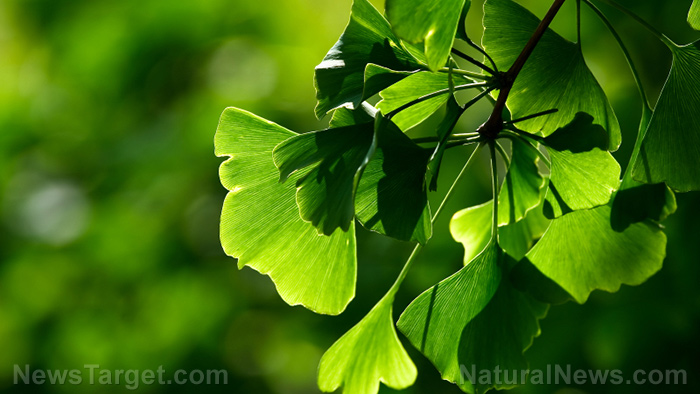
Could a leaf from one of the world’s oldest trees unlock new possibilities in stroke recovery? Discover the potential of ginkgo biloba in enhancing cognitive healing post-stroke.
(Article republished from GreenMedInfo.com)
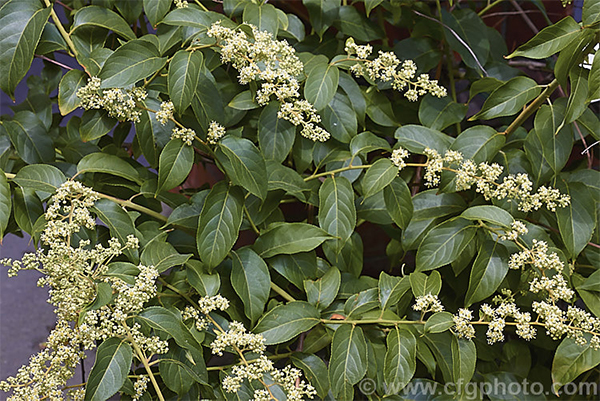
In an enlightening discovery, researchers have found that ginkgo biloba, an ancient tree revered for its medicinal properties, may hold the key to improved cognitive recovery following an ischemic stroke. This revelation stems from a study poised for presentation at the International Stroke Conference 2024, orchestrated by the American Stroke Association.
Study Design: A Closer Look at the Methodology
The study’s focal point was the efficacy of ginkgo diterpene lactone meglumine (GDLM), an active component of ginkgo biloba, in aiding cognitive recuperation after a stroke. Conducted across 100 centers in China, this multicenter trial involved 3,163 stroke survivors. These individuals, grappling with mild to moderate ischemic stroke, commenced treatment within 48 hours of their stroke incident. They were randomized to receive either 25 mg of intravenous GDLM or a placebo daily for two weeks. Cognitive function was meticulously assessed at the outset, after 14 days, and again at 90 days using the Montreal Cognitive Assessment scale (MoCA).
Results and Findings: Ginkgo’s Cognitive Impact
The findings were promising, with those treated with GDLM exhibiting more significant cognitive improvements at both the 14-day and 90-day marks compared to the placebo group. Specifically, the GDLM group demonstrated an average cognitive score increase of 3.93 points at 14 days and 5.51 points at 90 days, indicating a tangible enhancement in cognitive function.
The Science Behind GDLM
GDLM’s potential extends beyond mere cognitive improvement. Its neuroprotective qualities, as elucidated by Anxin Wang, Ph.D., include vasodilation, improved oxygen tolerance, and enhanced cerebral blood flow. Moreover, its antioxidative, anti-inflammatory, and anti-apoptotic properties collectively contribute to its therapeutic prowess. Preliminary laboratory studies also hint at GDLM’s role in staving off neurodegenerative conditions like Parkinson’s and Alzheimer’s diseases.
Navigating the Path of Complementary Medicine
The incorporation of ginkgo biloba in stroke recovery, while promising, necessitates cautious optimism. Sheryl L. Chow, Pharm.D., underscores the importance of integrating such complementary treatments within the broader healthcare framework to ensure safety and efficacy. The study’s findings, though compelling, call for further validation through independent trials to solidify GDLM’s role in post-stroke cognitive rehabilitation.
Future Directions: From Research to Real-World Application
While the study’s results are specific to a Chinese demographic, they pave the way for global research endeavors to explore GDLM’s universal applicability in stroke recovery. The quest for FDA approval and integration into standard post-stroke care regimens remains a pivotal future milestone.
Read more at: GreenMedInfo.com
Submit a correction >>
Tagged Under:
alternative medicine, brain health, Chinese medicine, disease treatments, ginkgo biloba, health science, herbal medicine, herbs, natural cures, natural health, natural medicine, naturopathy, phytonutrients, plant medicine, recovery, remedies, research, stroke, Xpost
This article may contain statements that reflect the opinion of the author
RECENT NEWS & ARTICLES